

Yoko Taro & Evangelion: Exploring Existential Darkness
In the vast landscape of anime storytelling, few pairings evoke as much curiosity and intrigue as Evangelion and Yoko Taro. These two entities, separated by time and style, nonetheless share a common thread: an unflinching commitment to psychological complexity, existential themes, and challenging traditional notions of narrative. Evangelion, with its groundbreaking mecha-meets-psyche saga, and Yoko Taro, the enigmatic creator behind the Drakengard series and NieR universe, both delve into the raw, often uncomfortable facets of human emotion and philosophical reflection. When contrasted and potentially merged within discussions, they ignite a fascinating conversation about how anime and interactive storytelling can peel back the layers of our psyche, inviting viewers and players alike to confront the darker sides of existence.
Examining Evangelion and Yoko Taro side by side reveals a shared artistic DNA rooted in subversion and introspection. Both challenge audiences to look beyond surface-level entertainment and engage with a deeper, often turbulent human experience. This intersection opens doors to not only appreciating their individual narratives but also contemplating broader questions about identity, purpose, and the nature of reality itself.
The Depths of Darkness - Evangelion's Psychological Landscape
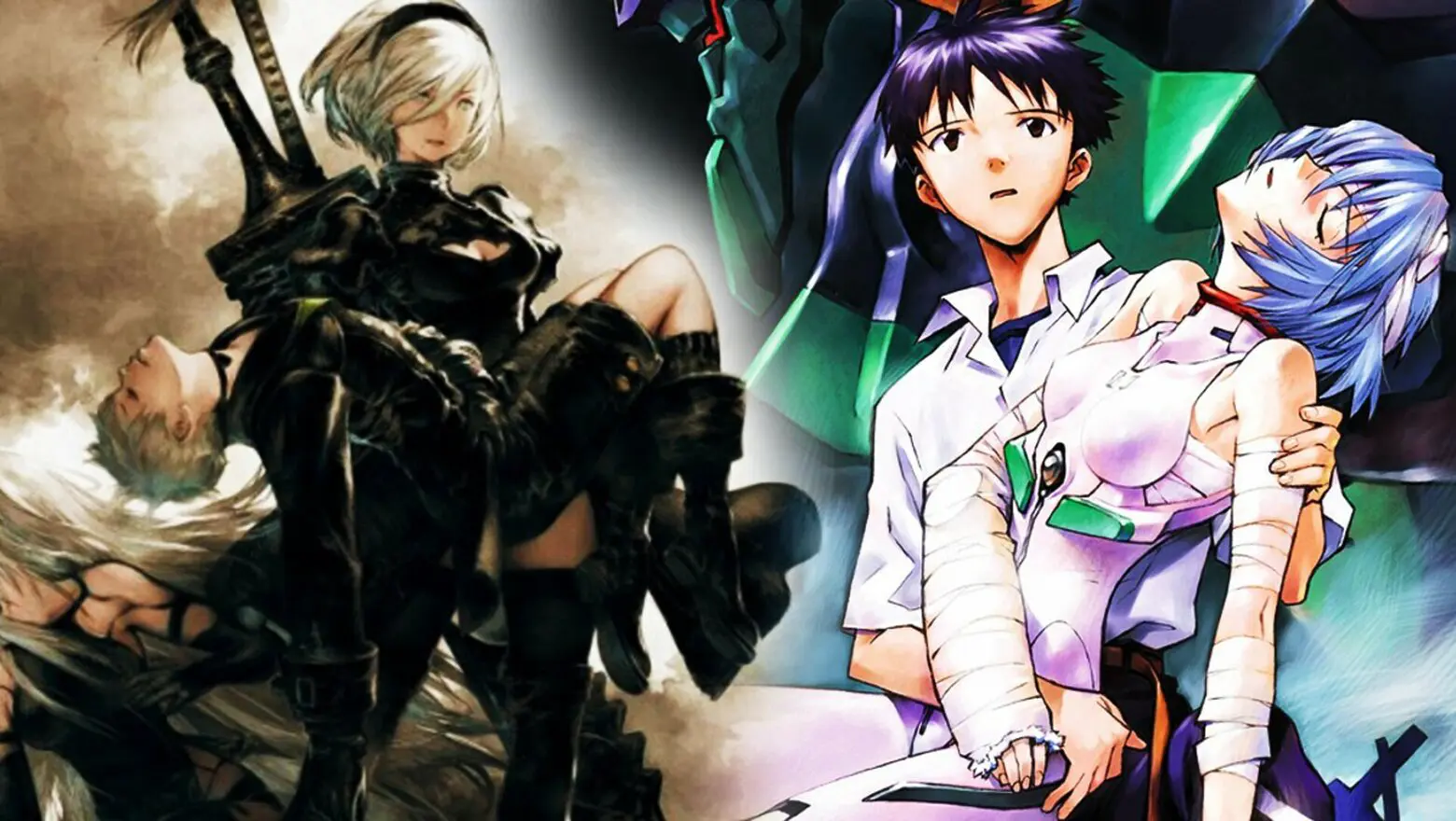
Neon Genesis Evangelion, created by Hideaki Anno, revolutionized the mecha genre by intertwining political intrigue, religious symbolism, and profound psychological exploration. At its core, Evangelion is less about giant robots fighting existential threats and more about the internal battles of its characters - particularly Shinji Ikari - who grapple with loneliness, self-worth, and anxiety. The series presented an unfiltered lens into the fractured psyche of its characters, making viewers confront uncomfortable truths about human vulnerability. Its innovative storytelling and theological symbolism serve as a mirror for the audience’s internal struggles, making Evangelion both a milestone and a mirror of collective psychological angst.
Yoko Taro’s works, especially the NieR series, similarly explore themes of despair, identity, and the search for meaning amid chaos. His narratives often cast characters in morally gray situations, challenging players to reflect on their own ethics and emotional resilience. Yoko Taro’s storytelling approach can be likened to psychological excavation - digging into the subconscious and exposing uncomfortable realities about human nature. Just as Evangelion dissects the collective consciousness through its intense symbolism, Yoko’s games probe individual consciousness with poignant storytelling that blends despair with moments of fragile hope. Both creators serve as modern-day psychological cartographers, mapping the dark waters of the human mind.
Subversion and Symbolism - Artistic Approaches to Humanity
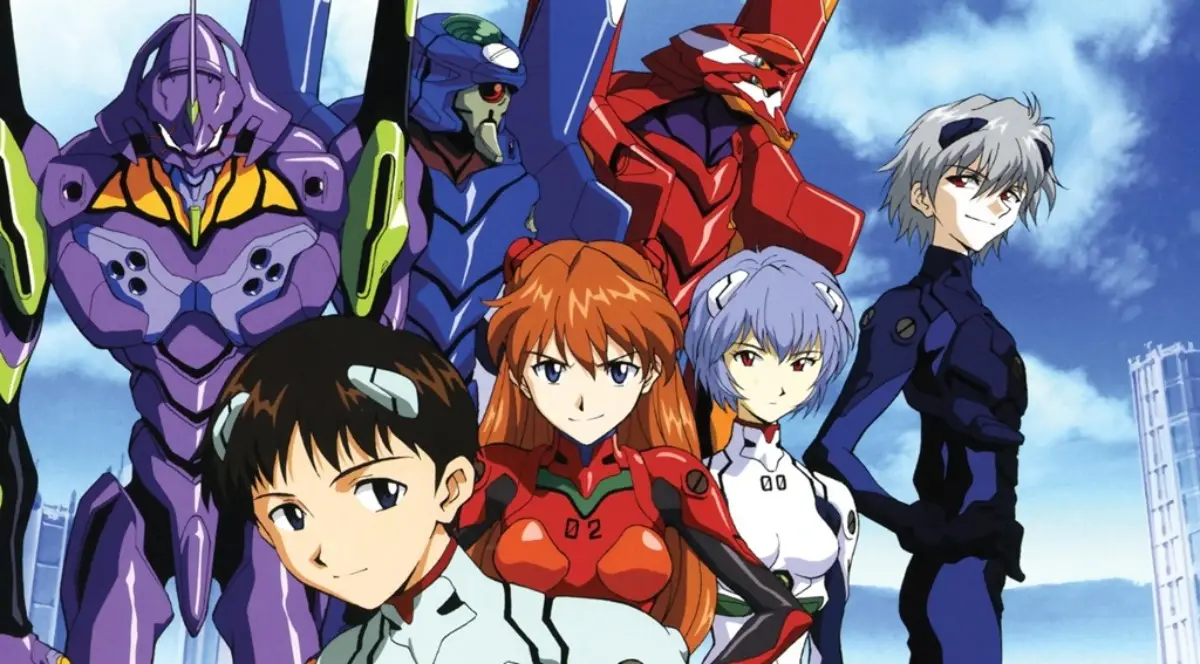
The visual and thematic choices made by Evangelion and Yoko Taro are steeped in symbolism and subversion. Evangelion’s use of religious iconography, apocalyptic landscapes, and inner demons transforms familiar motifs into tools to explore existential questions. The series constantly questions the nature of salvation, self-identity, and the meaning of connection, often leaving viewers with more questions than answers. Its ambiguous ending and layered symbolism empower viewers to interpret the story through their personal lens, ensuring its relevance endures beyond its initial broadcast.
Yoko Taro’s storytelling similarly thrives on subversion. The NieR games, for example, present bleak worlds where the line between hero and villain blurs. His characters are often tragic figures, grappling with their own mortality and purpose amid chaos and destruction. Yoko’s narrative style intentionally avoids comfort; it pushes players to confront uncomfortable truths about themselves and the worlds they inhabit. Both Evangelion and Yoko Taro utilize symbolism as a genre-defying language, inviting their audiences to reflect on their existential realities while questioning societal norms and personal morality.
Personal Reflection - The Impact of Darkness in Narrative Art
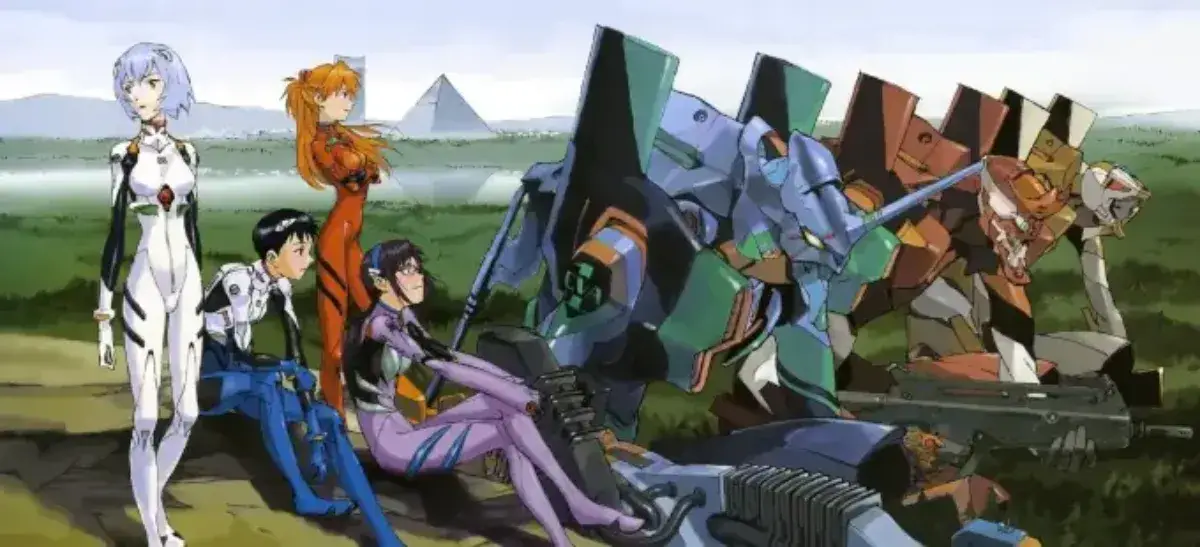
The artistic choices in Evangelion and Yoko Taro’s works reveal a deeper intention: to provoke self-awareness and philosophical inquiry. Evangelion’s anxiety-ridden characters and apocalyptic tone mirror society’s collective fears about the future, technology, and spirituality. Its ambiguous endings and introspective themes create an experience that stays with viewers long after the credits roll. Similarly, Yoko Taro’s unapologetic narratives challenge players to grapple with empathy, despair, and hope in equal measure - forcing a confrontation with the uncomfortable truths of the human condition.
From a personal perspective, engaging with these stories can be transformative. Exposure to their intense emotional and philosophical landscapes can awaken introspection, pushing individuals to question their beliefs and emotional resilience. Evangelion and Yoko Taro prove that storytelling doesn’t have to be merely escapism; it can serve as a mirror that reflects the darkness within and encourages growth through understanding. Their power lies in their ability to tap into universal human fears and aspirations, making their narratives resonant on a deeply personal level.
Conclusion
Evangelion and Yoko Taro stand as exemplars of how anime and interactive storytelling can serve as profound explorations of the human psyche. Through distinctive artistic approaches - one blending religious symbolism and existential anxiety, the other forging dark narratives filled with moral ambiguity - they challenge audiences to move beyond surface-level entertainment and confront the complex, often uncomfortable truths of existence. Their works underscore that darkness, when approached thoughtfully, can be a catalyst for insight, growth, and empathy. Ultimately, both Evangelion and Yoko Taro remind us that embracing the darkness within is essential, not just for understanding ourselves, but for finding meaning in a chaotic world.
Shop The Collection


About Us
We are dedicated to bringing the world of anime to your wardrobe. Our custom designs are crafted for fans who want to carry a piece of their favorite journey with them, every step of the way. From the subtlest nod to a character to a full-blown tribute, our collection is designed to bridge the gap between fantasy and reality.
SHARE
Leave a comment
Related post


SUBSCRIBE & GET FREE SHIPPING
Get a FREE shipping code when you subscribe.

POLICIES
SUPPORT
INFORMATIONS
Fair Use Statement
Our anime-inspired products are original fan-made designs by LittleOwh, not official merchandise. All anime characters and series remain property of their respective copyright holders. Created with love for the anime community.


0 comment
Be the first to comment