

Yuji and Higuruma: The Ultimate Showdown in Jujutsu Kaisen Explained!
In the layered universe of Jujutsu Kaisen, the dynamic between Yuji and Higuruma offers profound insight into humanity's struggle with justice, morality, and personal disillusionment. As the series delves into the grim realities of the curse-ridden world, these two characters symbolize contrasting facets of the human condition - one clinging to hope and truth, the other battered and disillusioned by a corrupt system. Both are driven by their ideals, yet their paths reveal the profound complexities of seeking justice in a world where rules are fragile and morality is often blurred. This interaction invites fans to reflect on what justice truly means beyond legal definitions, questioning whether systemic fairness exists or is merely an illusion we chase in the face of inevitable human flaws.
Yuji and Higuruma are more than mere combatants in a brutal game; they embody the ideological clash between integrity and cynicism, illustrating how individuals respond when faced with systemic failure. Their encounters serve not only as physical battles but as philosophical dialogues on the nature of guilt, morality, and the elusive pursuit of true justice. In analyzing their contrasting perspectives, fans gain a deeper understanding of the series’ overarching themes - exploring whether genuine justice is achievable or if it is simply an ideal we hold onto amid chaos and despair.
Exploring the Symbolism of Justice in Higuruma’s Character
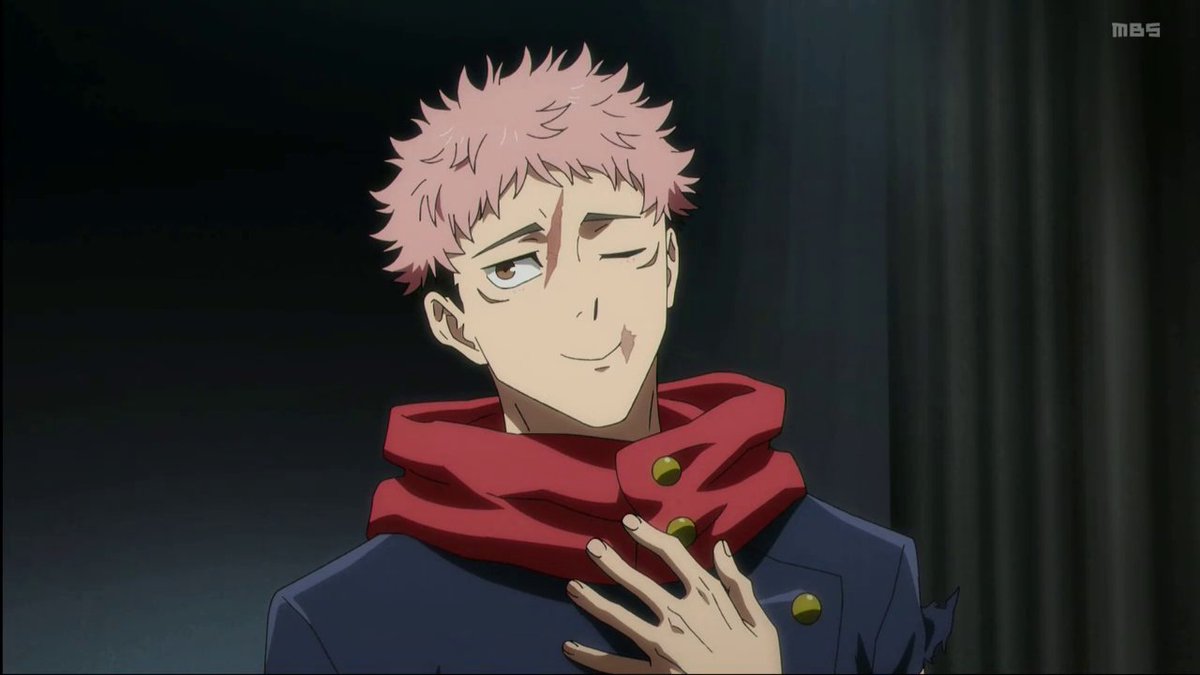
The character of Higuruma encapsulates the nuanced symbolism of justice embedded deeply in Japanese cultural and legal traditions. His name, 日車 (Higuruma), which means “sun-wheel,” and the sunflower badge he wears highlight an enduring association with fairness, impartiality, and hope. The sunflower’s face towards the sun reflects a worldview that seeks truth and transparency despite the darkness that often surrounds the legal system. Yet, this symbolism is layered with irony, as Gege Akutami, the creator of Jujutsu Kaisen, depicts Higuruma holding a wilted sunflower - an image of justice rotting from within. It underscores the disillusionment that comes when ideals clash with reality, especially in a justice system that prioritizes quick resolutions over truth.
Higuruma’s relentless quest to face the truth, even at great personal cost, illustrates a profound philosophical stance that aligns with his refusal to turn a blind eye. Unlike Lady Justice, who is traditionally blindfolded to symbolize impartiality, Higuruma’s name and symbolism depict a moral stance of clear vision - seeing everything, confronting unpleasant truths, and fighting against the systemic corruption that turns justice into a commodified tool. This character’s struggles resonate with the broader societal issues of Japan's “hostage justice,” where conviction rates and prosecutorial pressure overshadow genuine truth. His belief in an unyielding face of justice makes him a compelling figure of integrity, standing in stark contrast to the corrupt machinery that pervades the legal landscape of the Jujutsu Kaisen universe.
The Disillusionment of Yuji and Higuruma: Two Sides of a Coin
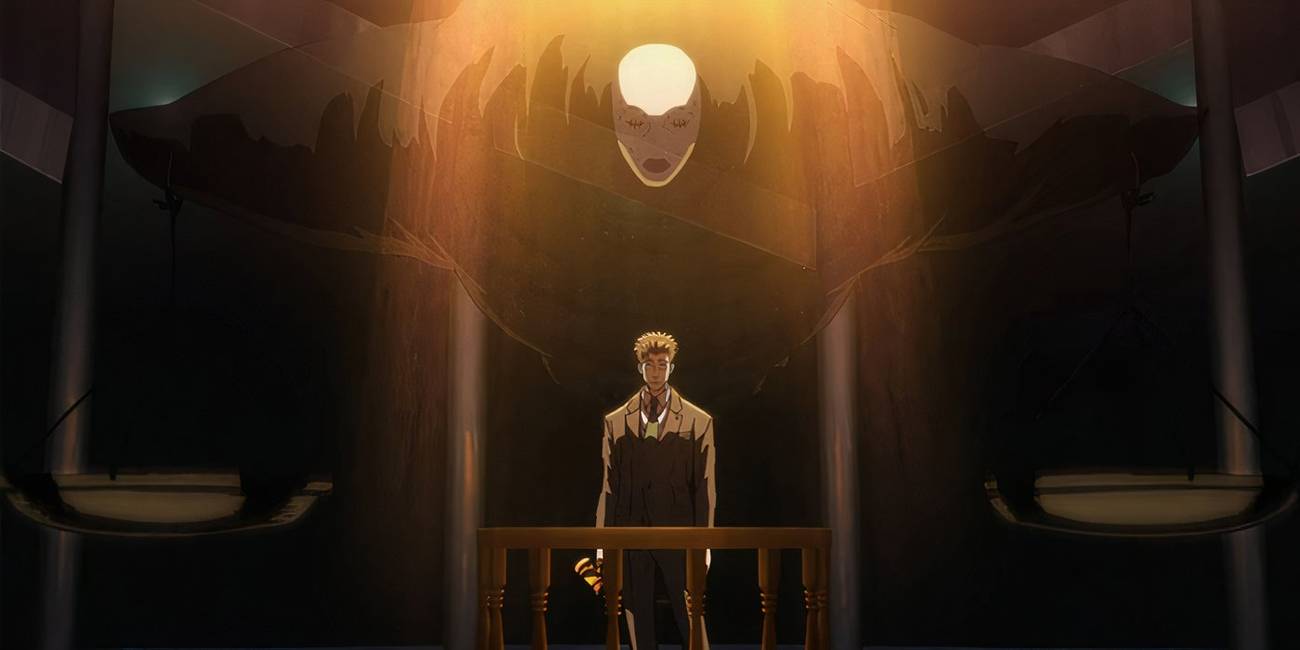
At their core, Yuji and Higuruma embody different responses to the same disillusionment with justice. Yuji, once naive and driven by a simple desire to protect the weak, begins to understand the harsh realities of the world through Shibuya and subsequent encounters. His self-identification as a haguruma, a cog in a vast machine, reveals his internalization of systemic utility - believing that endurance and compliance are the only ways to survive and protect others. Kenjaku’s manipulation of Yuji as a vessel further cements this worldview, turning him into an instrument for a larger, incomprehensible plan.
In contrast, Higuruma's confrontation with a corrupt system fueled his resolve to refuse acceptance of injustice. He symbolizes the fight to retain individual morality amid systemic decay - refusing to be silenced or co-opted, even if it means burning down the courtroom. His experience reveals a core truth: systemic injustice often forces individuals to choose between complicity and rebellion. Their ideological battle - the cog of guilt versus the wheel of justice - not only reflects their personal journeys but also extends to the greater theme of whether true justice can ever be realized in a world riddled with systemic flaws. Yuji’s internal struggle with guilt and morality mirrors Higuruma’s unwavering stance, showcasing two perspectives born from disillusionment - one resigned to inevitability, the other insisting on integrity regardless of consequences.
Ideological Clash and Character Development
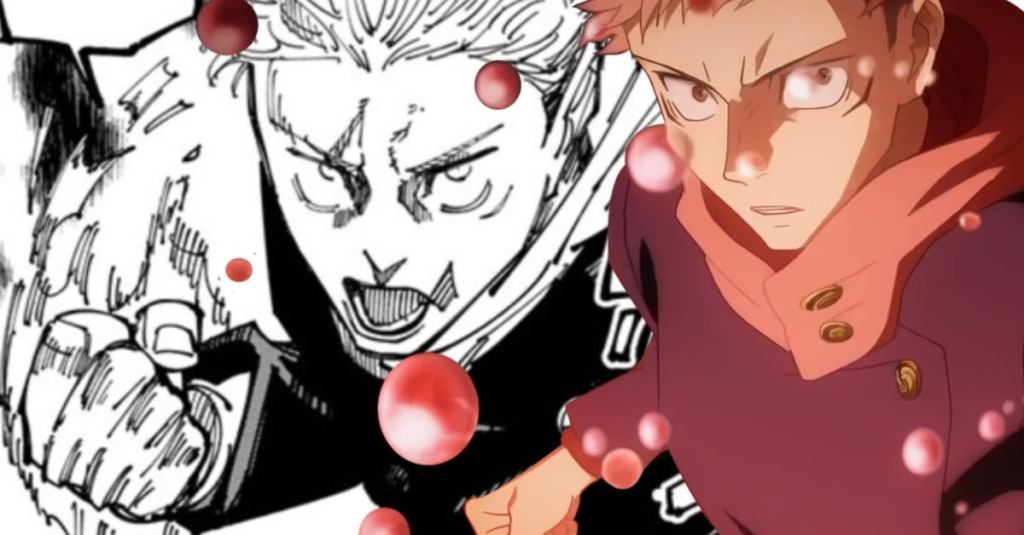
The confrontation between Yuji and Higuruma exemplifies a deep ideological conflict - one rooted in moral integrity versus systemic cynicism. Yuji’s acceptance of being a haguruma reveals his initial naivety, where doing what is right is enough to define justice. Yet, the devastating events of Shibuya teach him that doing the right thing is often insufficient if it doesn’t lead to the desired outcome. His realization that justice alone cannot prevent tragedy reflects a nuanced understanding that morality is intertwined with pragmatic concerns - an acknowledgment of the messy, complicated nature of real-world justice.
Higuruma, on the other hand, retains his unwavering belief that facing the truth is the only path to genuine justice. The symbolism of the sunflower - the face turned towards the sun - embodies his desire to see plainly, to challenge the illusion of impartiality in a corrupt legal system. His willingness to burn the courtroom symbolizes rejecting a broken system, asserting that true justice must confront uncomfortable truths rather than hide behind superficial standards. Their ideological battle is a reflection of the broader debate: is justice a lofty ideal rooted in truth, or a pragmatic construct designed to serve systemic interests? Both characters, through their development, highlight the tragic reality that disillusionment often leads to different coping strategies - either faith in integrity or cynicism as a shield against the corruption.
The Broader Impact of Their Conflict in the Series’ Themes
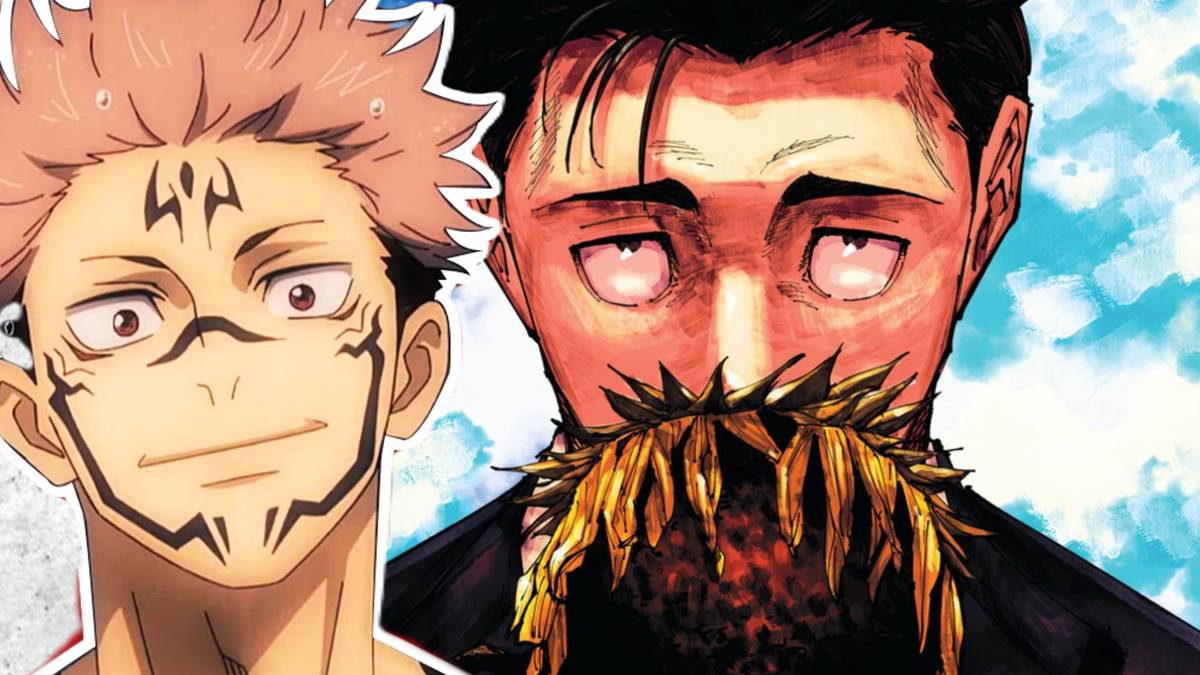
Jujutsu Kaisen masterfully explores the theme of disillusionment - how systemic failures and personal choices shape beliefs about justice and morality. Yuji’s journey from naive protector to a figure questioning the very foundations of morality exposes the limitations of idealism. His acceptance of guilt and his role as a cog in a vast mechanism reflect the painful compromise necessary to survive in a corrupt world. Conversely, Higuruma’s unwavering stance exemplifies the pursuit of personal integrity, even at the cost of destruction and alienation.
Their contrasting perspectives create a compelling narrative that resonates beyond the series’ supernatural battles. It prompts fans to consider whether justice is an achievable goal or a constantly shifting ideal shaped by societal and individual faults. The ideological battle between the “cog of guilt” and the “wheel of justice” illuminates a universal truth: that morality is often compromised by systemic forces, and true justice demands relentless pursuit and moral clarity. Both characters serve as mirrors - each embodying the disillusionment that arises when ideals are tested by a flawed system, forcing viewers to question their own understanding of righteousness and the price of integrity.
Conclusion
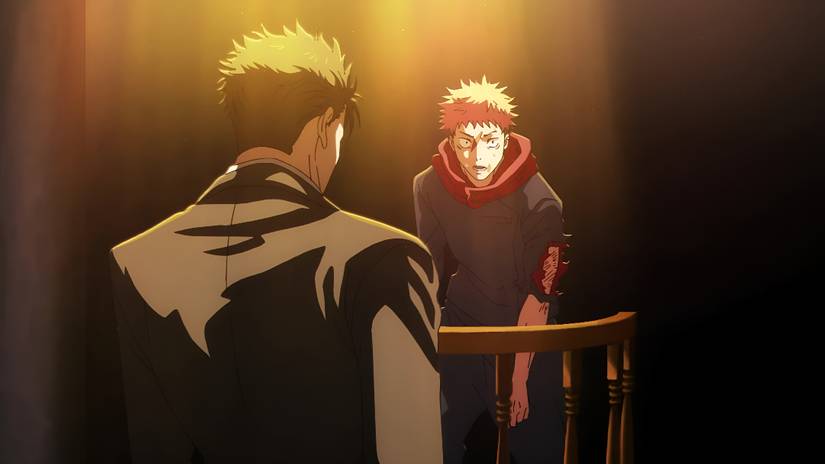
Jujutsu Kaisen’s depiction of Yuji and Higuruma offers a profound commentary on the nature of justice and morality in a broken world. While Yuji symbolizes innocence lost and the internal struggle of accepting systemic flaws, Higuruma embodies unwavering integrity and the refusal to turn a blind eye to injustice. Their ideological clash underscores a universal dilemma - whether to compromise in the face of systemic corruption or confront the harsh truths with relentless honesty. Ultimately, their narrative explores the painful reality that justice is often imperfect, and individuals must navigate the fine line between idealism and cynicism, making sacrifices and facing disillusionment along the way. Their stories serve as compelling reminders that morality is complex, and the pursuit of justice requires resilience, clarity, and an unwavering commitment to truth, even when faced with the darkness that lurks within systems designed to hide it.
Best Seller


About Us
We are dedicated to bringing the world of anime to your wardrobe. Our custom designs are crafted for fans who want to carry a piece of their favorite journey with them, every step of the way. From the subtlest nod to a character to a full-blown tribute, our collection is designed to bridge the gap between fantasy and reality.
SHARE
Leave a comment
Related post


SUBSCRIBE & GET FREE SHIPPING
Get a FREE shipping code when you subscribe.

POLICIES
SUPPORT
INFORMATIONS
Fair Use Statement
Our anime-inspired products are original fan-made designs by LittleOwh, not official merchandise. All anime characters and series remain property of their respective copyright holders. Created with love for the anime community.


0 comment
Be the first to comment